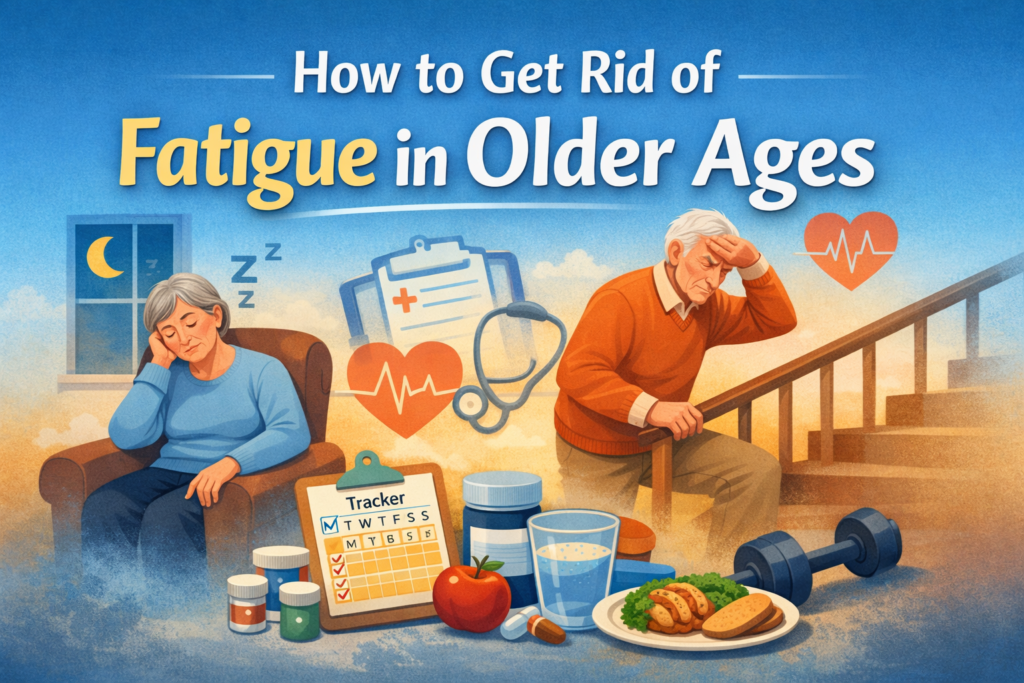
Fatigue in older ages can feel frustrating, confusing, and sometimes even scary, especially when rest does not seem to help. This guide is written for people who want clear, practical steps to feel better without guessing. You will learn the most common reasons older adults feel tired, including sleep that is not refreshing, waking up many times, snoring and daytime sleepiness, low protein and low water intake, and the energy crashes that happen after busy days. You will also find simple tools like a 7 day tracker and a 14 day reset plan to spot patterns and improve stamina safely. If your fatigue is new or getting worse, we also explain when it is time to get checked.
New fatigue
New fatigue deserves a simple first step: pause and ask, “What changed?” It could be sleep disruption, less water, a new medicine, stress, or a minor infection. If anything feels sudden, unusual, or scary, don’t try to “tough it out.” Use this quick safety check for unusual symptoms: hidden signs that need urgent attention. Then move to the matching subheading below.
Sudden fatigue starts
If fatigue hits fast—within hours or a couple of days—treat it like a fresh clue, not a mystery. Think about a bad night of sleep, skipped meals, dehydration, a hot day, emotional shock, or a new medicine or dose change. Write down the exact start time and what you were doing that day. Sudden fatigue that feels “not like you” is a reason to contact a healthcare professional, especially if it keeps getting worse.
Fatigue builds over months
When fatigue slowly grows over weeks or months, it’s often a pile-up of small drains: less movement, lighter meals, more sitting, fragmented sleep, or constant stress. This kind of fatigue can feel normal because it creeps in quietly. A helpful move is a 7-day log: sleep time, naps, meals, water, and when energy dips. If the trend continues or your daily function is slipping, a routine checkup can help identify fixable causes.
Fatigue with daytime sleepiness
Daytime sleepiness means you can doze off easily—while watching TV, reading, or sitting quietly. That usually points to sleep quality, not willpower. Common drivers are late caffeine, long naps, pain waking you up, frequent bathroom trips, or screen time too close to bed. Try a consistent wake-up time and shorter naps for a week. If you also snore loudly or wake up gasping, discuss sleep evaluation with a clinician because sleep problems are treatable.
Fatigue with low strength
If your fatigue feels like “my muscles won’t cooperate,” low strength may be the main issue. Older adults can lose strength quickly after illness, inactivity, or long periods of sitting, and that can feel like low energy. Notice if getting up from a chair, carrying groceries, or climbing stairs has become harder. The most useful fix is gentle strength work, done consistently and safely, not intense workouts. If weakness is new, one-sided, or rapidly worsening, seek medical advice promptly.
Fatigue with low stamina
Low stamina looks like running out of energy sooner than you expect—short walks feel long, errands wipe you out, and you need more recovery time after normal tasks. This improves best with a “small but steady” approach: do a little less than your limit, more often, and increase slowly. Pair that with basics that protect energy—regular meals, enough water, and a stable sleep routine. If your stamina drops sharply or you can’t do usual activities without struggling, it’s worth a clinical check.
Sleep fatigue
Sleep fatigue is when you spend enough hours in bed, but your body still feels like it never fully recharged. The goal is not perfection, it is finding the one or two things breaking your sleep most nights and fixing those first. If screens are part of your evenings, start here: hidden blue light effects on your health.
Sleep but not refreshed
If you wake up after a full night and still feel worn out, your sleep may be too light or too broken to restore you. Common reasons include pain, reflux, stress, room temperature, or an inconsistent sleep schedule. Try keeping the same wake-up time for a week, even on weekends, and make the hour before bed quieter and dimmer. Small changes done consistently often work better than big changes done once.
Wake up many times
Waking up repeatedly can leave you feeling like you never reached deep sleep. Start by noticing patterns: what time you wake, what wakes you, and how long it takes to fall back asleep. Evening caffeine, alcohol, late heavy meals, and daytime naps can all increase nighttime wake-ups. Keep a simple sleep note for seven days and look for one clear trigger you can remove. If wake-ups are frequent and long, discuss it with a clinician.
Snoring and tiredness
Snoring with ongoing tiredness can be more than a noise problem. If snoring is loud, happens most nights, or someone notices pauses in breathing, your sleep may be interrupted many times without you remembering. That can cause morning headaches, dry mouth, and heavy daytime sleepiness. You do not need to guess your way through this. A healthcare professional can guide you on whether a sleep evaluation makes sense and what options may help.
Restless legs tiredness
Restless legs can make sleep feel impossible because your body keeps asking you to move when you are trying to relax. People describe it as crawling, pulling, tingling, or an urge to move the legs, usually worse in the evening. Try gentle stretching, a warm shower, and cutting back late caffeine. If it is happening often, tell a clinician, especially if it is new, because it can be linked with treatable issues such as low iron.
Night bathroom tiredness
Getting up to use the bathroom at night can turn sleep into short fragments, and that adds up to real fatigue. Start with simple steps: shift most fluids earlier in the day, avoid caffeine late afternoon, and limit alcohol in the evening. Make the path to the bathroom safe with good lighting to prevent falls. If you are going multiple times nightly or it suddenly worsened, discuss it with a clinician to check for common causes that can be addressed.
Medicine fatigue
Medicine fatigue is common in older age because the body can become more sensitive to doses that once felt fine. Even “helpful” products can quietly drain energy, especially when taken together. If you also use vitamins or herbal products, review this risk guide first: unexpected vitamin overdose symptoms. Then use the subheadings below to match your situation.
Tired after new medicine
If you started a new medicine and suddenly feel more tired, the timing matters. Write down the start date, the dose, and the time you take it, then note when the fatigue shows up each day. Some medicines cause drowsiness right away, while others build tiredness over several days. Do not stop a prescribed medicine on your own. Call your clinician or pharmacist and ask if this is a known side effect and whether timing or dose adjustments are possible.
Tired after dose change
A dose change can affect energy even if you have taken the same medicine for years. Your body may respond differently with age, weight changes, or reduced activity. If fatigue started within a few days of an increase, that is an important clue. Track your sleep, appetite, dizziness, and alertness, and share the timeline with your clinician. Many times, a small dose adjustment or a different schedule can reduce fatigue while keeping the medicine effective.
Daytime drowsy medicines
Some medicines make you feel foggy or heavy during the day, especially if they affect the brain, relax muscles, or lower blood pressure. You might notice slower thinking, poor focus, or needing naps that do not refresh you. If you feel unsafe driving or walking outside, take that seriously. A medication review can identify which medicine is most likely causing daytime drowsiness and whether a safer alternative or different timing could help.
Sedating OTC medicines
Over-the-counter products can be sneaky sources of fatigue. Common examples include some allergy pills, nighttime cold medicines, cough syrups, and “PM” pain relievers. People often take them for sleep, aches, or congestion and then wonder why they feel sluggish the next day. Keep a simple list of every OTC product you use, including sleep aids, and share it with your pharmacist. They can often suggest options that are less sedating.
Too many medicines
Too many medicines can cause fatigue even when each one seems reasonable on its own. This can happen through overlapping side effects, interactions, or stacking products that all cause drowsiness. It often shows up as low energy, slower movement, and feeling “not quite yourself.” The best fix is a structured medication review, including prescriptions, OTC items, and supplements. Ask for a “brown bag review” where you bring everything you take so nothing gets missed.
Body deconditioning fatigue
Body deconditioning fatigue happens when the body loses strength and endurance from doing less over time. It can start after illness, injury, long periods of sitting, or even a slow drift into a more sedentary routine. The good news is that small, steady movement can rebuild capacity safely. If you want simple ways to start at home, use this guide: untapped home workout programs.
Tired on stairs
Feeling tired on stairs often means your legs and heart are being asked to do more than they are currently trained for. Start by making stairs easier: go slower, hold the railing, and pause at the top without rushing. On non stair days, build leg strength with safe basics like sit to stand practice or step ups on a low step. Track improvement by noticing whether you need fewer pauses after two weeks of consistent effort.
Tired standing from a chair
If standing up from a chair feels like hard work, it is a strong sign your leg strength has dropped. This can make the whole day feel tiring because you repeat this movement many times. Practice the motion gently using a stable chair: stand up, sit down, and rest. Keep it slow and controlled, and use your hands at first if needed. Over time, this builds confidence and strength, which often lifts energy because everyday tasks stop feeling like a workout.
Tired with short walks
Getting tired after short walks is frustrating, but it is also one of the easiest areas to improve with a gradual plan. Instead of one long walk, do two or three short walks spread through the day. Choose a pace where you can still talk, even if it feels slow. Add time in small steps, such as one or two minutes every few days. When walking becomes easier, many people notice better sleep and a steadier mood, which supports energy.
Tired doing household tasks
Household tasks can be more demanding than they look because they involve bending, lifting, reaching, and standing without breaks. If chores wipe you out, try a new approach: break tasks into smaller pieces and rest before you feel drained. Sit when possible, use a cart or bag to carry items, and rotate between light and heavier jobs. This is not laziness, it is smart pacing that lets you get things done without turning one chore into an all day recovery.
Tired with balance effort
When balance feels harder, your body uses extra energy just to stay steady, and that can create real fatigue. People often notice it as tension in the legs and hips, slower walking, or fear of falling. Gentle balance practice can help, such as standing near a counter and shifting weight slowly side to side. Pair this with strengthening the legs, because strong legs support balance. If you have frequent stumbles or falls, ask a clinician about a balance assessment or physical therapy.
Food and water fatigue
Food and water fatigue is very real, especially in older age when thirst signals and appetite can become quieter. Even mild dehydration or under-eating can make your body feel heavy, foggy, and low on drive. If you want a simple way to understand hydration and mental energy, start here: is your brain dehydrated.
Low protein tiredness
Low protein can leave you feeling weak and worn out because your body has less support for muscle repair and steady energy. Many older adults eat lighter meals that are mostly bread, rice, or tea and snacks, which can feel filling but not restoring. Try adding a protein source to breakfast and lunch, not just dinner. Keep it simple: eggs, yogurt, lentils, beans, fish, or paneer. When protein improves, people often notice better strength and less afternoon slump.
Long gaps between meals tiredness
Going too long without eating can cause an energy dip that feels like fatigue, irritability, or brain fog. It is common to skip breakfast, have a late lunch, and then wonder why the day feels slow and heavy. A small, regular rhythm works better: eat something within one to two hours of waking, then plan a light snack if your next meal is far away. This does not need to be a big meal, just something balanced that keeps you steady.
Low water intake tiredness
Low water intake can show up as tiredness before you notice thirst. You might feel headaches, dry mouth, constipation, or lightheadedness, but sometimes it is simply low energy and poor focus. Older adults often drink less to avoid bathroom trips, which can backfire. Try sipping water through the day instead of drinking a lot at once. Make it easier by keeping a bottle nearby and linking sips to habits like taking medicines or finishing a phone call.
Tired after eating
Feeling tired after meals can happen when meals are heavy, very high in refined carbs, or too large at one time. The body shifts blood flow toward digestion, and that can create a sleepy feeling, especially if the meal is followed by sitting still. A gentle fix is to make meals smaller, add protein and fiber, and take a short, easy walk afterward. If post meal tiredness is sudden, severe, or comes with shakiness or sweating, discuss it with a clinician.
Low appetite tiredness
Low appetite can quietly lead to under-fueling, and that can feel like fatigue that never fully lifts. This is common with stress, loneliness, dental issues, loss of taste, or after illness. Aim for small meals that are easy to finish, and make every bite count with nutrient dense choices. Add healthy fats and protein to boost energy without huge portions, such as yogurt with nuts, dal with ghee, or a smoothie with milk and fruit. If appetite loss is ongoing, get it checked.
Overdoing fatigue
Overdoing fatigue is when you feel okay in the moment, then pay for it later with a heavy crash. Many older adults push through errands or family events, then need one or two days to recover. A kinder approach is to build resilience slowly and recover smarter. If you like the idea of training your body to handle stress in small doses, see: hormesis and resilience health benefits.
Energy crash the next day
A next day crash usually means you crossed your personal energy limit, even if the day felt normal at the time. Start by noticing the first signs of strain, like irritability, heavy legs, or needing to sit more often. The simplest fix is to stop earlier than you think you should and schedule short rests before you feel wiped out. Try a rule for one week: break big tasks into smaller parts and leave something unfinished on purpose. Many people feel better when they pace.
Fatigue after a busy day
A busy day can drain you because it mixes standing, walking, decision making, and stress with very few breaks. Instead of trying to power through, plan your day like a budget. Pick one main task and keep the rest light. Add short recovery pauses between activities, even five minutes sitting and breathing quietly. Eat and drink regularly so your body is not running on empty. Over time, you can increase your capacity, but you want to build it without triggering a crash.
Fatigue after social time
Feeling tired after social time is common, and it does not mean you are antisocial. Conversation takes attention, hearing effort, and emotional energy, especially in noisy places. Help yourself by choosing quieter settings, arriving rested, and keeping visits shorter but more frequent. If you feel guilty about leaving early, remember that leaving before you are exhausted protects your next day. A simple strategy is to set a time limit in advance and plan a calm recovery period afterward.
Fatigue after long travel
Long travel can cause fatigue because of poor sleep, long sitting, dehydration, time changes, and the stress of logistics. Before travel, plan for extra rest days on both sides of the trip instead of packing your schedule tight. During travel, sip fluids regularly, stand and stretch when you can, and eat smaller meals rather than heavy ones. After you arrive, give your body time to reset with gentle walking and an early bedtime. If fatigue is extreme or lasts unusually long, check in with a clinician.
Stress and mood fatigue
Stress and mood fatigue can feel confusing because the body is tired, but lab tests may look “fine.” Stress hormones, constant worrying, and emotional load can drain sleep quality and appetite, then make daytime energy crash. If your nervous system feels overloaded, this related read may help you connect the dots: sensory overload syndrome.
Stress-related tiredness
Stress tiredness often shows up as waking up tense, getting tired quickly, or feeling wired at night but exhausted during the day. Your body stays on alert, even when you are sitting still, and that burns energy. Start with one small calming habit you can repeat daily, like a short walk, slow breathing for five minutes, or a simple bedtime wind down. Also notice what triggers stress spikes, such as news, arguments, or rushing. Reducing a few triggers can improve energy more than you expect.
Low mood tiredness
Low mood can make everything feel heavier. You may sleep more but feel less rested, or sleep less because your mind keeps looping. Motivation drops, and small tasks feel like big jobs. This is not weakness, it is a common way mood affects the body. Try adding gentle structure to your day, including light exposure in the morning, a small movement goal, and one meaningful activity even if it is short. If sadness or loss of interest lasts for weeks, talk to a healthcare professional.
Poor routine tiredness
A poor routine can quietly create fatigue because the body loves predictable rhythms. When sleep times shift, meals are irregular, and activity happens in random bursts, your energy tends to swing up and down. The fix is simple but not always easy: choose a steady wake up time, eat at roughly consistent times, and add a little movement most days. It does not need to be strict, just stable. Within one to two weeks, many people notice fewer energy dips and calmer evenings.
Loneliness tiredness
Loneliness can drain energy in a way that feels physical. People often describe it as low drive, heavier body, and less interest in cooking, walking, or keeping appointments. When connection drops, habits that protect energy drop too. Start small and practical: one phone call, one short visit, or one group activity each week. If mobility is a barrier, online groups or community programs can still help. If loneliness is paired with persistent low mood or hopelessness, reach out to a professional for support.
Tools most articles miss
Most people do not need more tips. They need simple tools that make fatigue easier to understand and easier to fix. These tools help you spot patterns, choose the right next step, and speak clearly with a clinician if you need to. If you want a helpful foundation for energy and daily function, this related guide fits well here: metabolic health optimization.
Fatigue type test
This is a quick way to label what you are feeling so you do not chase the wrong solution. Ask yourself three direct questions: Can I fall asleep easily during the day, even after sleep? Do my muscles feel weak when I try to stand, lift, or climb? Do I feel out of breath with small effort? Your answers point you toward sleep quality, strength rebuilding, or stamina and pacing work. Write the results down in one sentence so you can follow the matching section of this article.
7-day fatigue tracker
A seven day tracker is one of the fastest ways to turn vague tiredness into clear patterns. Keep it simple so you actually do it. Each day, note your bedtime and wake time, number of wake ups, naps, water intake, meal times, movement time, and the two worst energy hours. Also record any new medicine, stressful event, or unusual pain. At the end of the week, you usually see one strong clue, like long naps, late caffeine, skipped breakfast, or poor sleep after screens.
Sleep problem checklist
This checklist helps you separate normal light sleep from a sleep problem that needs attention. Check items like waking up unrefreshed most mornings, snoring, morning headaches, dry mouth, frequent night bathroom trips, restless legs feelings, or needing naps that do not help. Add what time the problems happen and how often each week. This list is not meant to diagnose you, but it makes your next steps clearer and helps your clinician understand what is happening without guesswork.
Medicine review checklist
A medicine review checklist prevents a common problem: missing the real cause because the full list was never reviewed together. Write down every prescription, every over the counter product, and every supplement you use, plus the time of day you take them. Then add a simple timeline of when fatigue started and any dose changes in the last month. Bring the list to your pharmacist or clinician and ask directly whether any item can cause drowsiness or interact with another. Never stop medicines on your own.
14-day fatigue reset plan
This plan is a short, practical reset that focuses on consistency, not intensity. Days 1 to 3 are for tracking sleep, naps, water, meals, and movement so you find your biggest energy leak. Days 4 to 7 focus on steady wake up time, morning light, protein at the first meal, and short daily movement. Days 8 to 14 add gentle strength practice two or three times and pacing rules to avoid crashes. If you feel no improvement after two weeks, take your notes to a clinician for a clearer workup.
When to get checked for fatigue
If fatigue is new, getting worse, or changing how you function day to day, a checkup can save time and worry. It is especially important if your tiredness does not improve after you fix sleep, food, water, and pacing for two weeks. Do not ignore fatigue that feels unusual for you, even if you think it is “just age.” If you want a clear warning sign guide, read: hidden signs of blood clots.
Get checked sooner if fatigue comes with shortness of breath, chest discomfort, fainting, new confusion, fever that does not settle, black or bloody stools, or sudden weakness. Also make an appointment if you notice unplanned weight loss, swelling in the legs, a big drop in stamina, or fatigue that keeps pushing you into long naps every day. These do not always mean something serious, but they are strong reasons to rule out common medical causes.
To make your visit more useful, bring a short timeline. Write when fatigue started, what was happening around that time, and what makes it better or worse. Bring your medication list including over the counter products and supplements. If you tracked your sleep and meals for a week, bring that too. The goal is not to prove anything. The goal is to give your clinician a clean picture so they can check the most likely causes first and help you feel like yourself again.
FAQs
Is fatigue after 60 normal?
Feeling a bit less “springy” with age can be common, but constant exhaustion is not something you should accept as normal. Ongoing fatigue often has a reason such as poor sleep quality, low activity, not eating enough protein, dehydration, stress, or a medicine side effect. If fatigue is new, worsening, or lasting more than two weeks, it is worth getting checked.
What is the difference between fatigue and sleepiness?
Sleepiness means you can fall asleep easily during the day, like dozing off while reading or watching TV. Fatigue is more like low fuel, where you feel drained and tasks feel harder, even if you are not sleepy. This difference matters because sleepiness points toward sleep quality, while fatigue can point toward stamina, strength, food, hydration, stress, or medical causes.
How long should I try self help before seeing a clinician?
If your fatigue is mild and not getting worse, give basic changes about 10 to 14 days. Focus on consistent wake time, better sleep setup, regular meals with protein, steady hydration, and gentle movement. If there is no meaningful improvement, or if fatigue is affecting daily function, schedule a checkup and bring your notes about sleep, meals, and medicines.
What nap length helps without making fatigue worse?
Many people do best with a short nap, around 10 to 30 minutes, earlier in the afternoon. Long or late naps can reduce sleep pressure and make nighttime sleep lighter, which can increase fatigue the next day. If you wake up groggy after naps, shorten the nap and move it earlier, or try a brief walk and water instead.
Can dehydration really cause fatigue in older adults?
Yes. Older adults can feel less thirst, so dehydration can build quietly. Even mild dehydration can cause low energy, headaches, dizziness, constipation, and brain fog. A simple approach is to sip fluids through the day and pair it with habits, like taking medicines or finishing a meal. If you limit drinking due to night bathroom trips, shift fluids earlier in the day.
What is the simplest food change for low energy?
Add protein earlier in the day and avoid long gaps between meals. Many people eat light breakfasts and then crash later. Protein at breakfast or the first meal helps support muscle and steadier energy. Keep it simple and familiar, like eggs, yogurt, lentils, beans, fish, paneer, or milk based options, depending on what suits you.
How do I stop crashing after errands or a busy day?
Use pacing. Pick one main task, break it into smaller parts, and add short rests before you feel drained. A helpful rule is to stop while you still have some energy, not when you are empty. Also keep meals and water steady on busy days. Many crashes are from overdoing plus under-fueling, not from weakness or lack of effort.
Can medicines and OTC products cause fatigue?
Yes, and this is especially common when multiple products are taken together. Some medicines and some over the counter sleep, cold, and allergy products can cause daytime drowsiness and brain fog. Do not stop prescribed medicines on your own. Instead, request a medication review and bring a complete list including supplements, so interactions and sedating items are easier to spot.
When is fatigue urgent?
Seek urgent help if fatigue comes with chest pain, severe shortness of breath, fainting, new confusion, high fever that does not settle, black or bloody stools, or sudden one sided weakness. These symptoms do not always mean something serious, but they do need quick evaluation. If you are unsure, it is safer to contact emergency services or a clinician promptly.