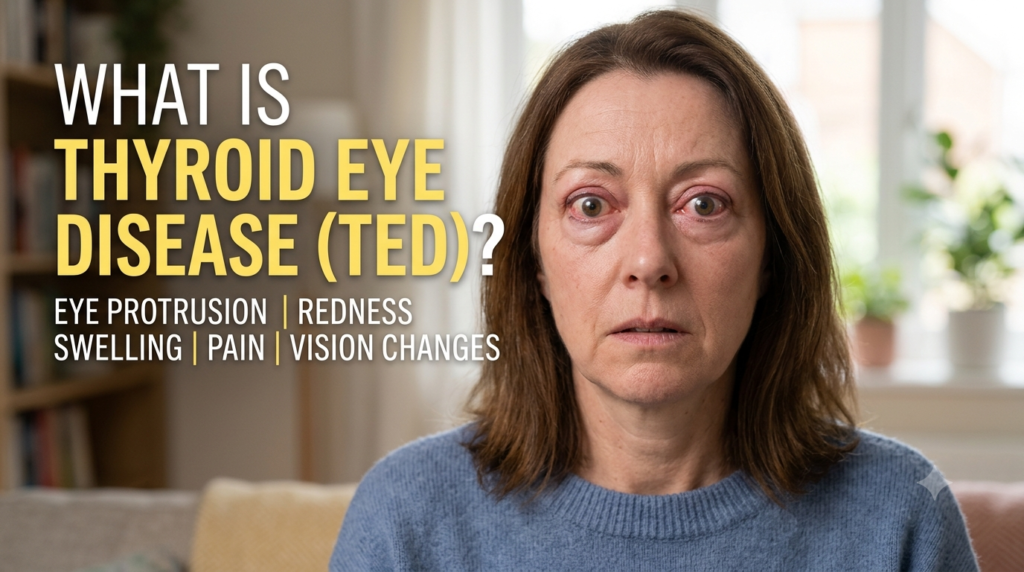
What is thyroid eye disease (TED)?
Thyroid eye disease is an autoimmune condition where your body’s own defense system mistakenly attacks the soft tissues and muscles right behind your eyes. Most people who develop this condition already have a thyroid issue like Graves’ disease, which causes an overactive thyroid. When your immune system targets the eye socket, it triggers significant swelling and inflammation. Because the bony socket around your eye cannot expand, the swollen muscles and fat push the eyeball forward. It is important to remember that TED is a separate issue from your thyroid hormone levels, meaning your eyes can still flare up even after your thyroid is under control. Understanding how internal imbalances impact your body is key, and you can explore more about metabolic health optimization to better support your overall wellness journey.
What is the most common symptom of thyroid eye disease?
The most common early symptom of thyroid eye disease is persistent eye irritation that feels a lot like having sand or grit trapped under your eyelids. Many people brush this off at first, thinking they just have seasonal allergies or basic eye strain from looking at screens all day. Along with that gritty sensation, you will likely notice excessive watering, redness, and a heavy, aching feeling behind your eyes, especially when you wake up in the morning. Your eyelids might also feel stiff, making it harder to blink completely and keep your eyes moist. If you are struggling with constant discomfort, learning how to stop dry eyes when tired can offer helpful daily relief while you wait to see a specialist for a proper diagnosis.
What does someone with thyroid eye disease look like?
Someone with thyroid eye disease often has a distinct, wide-eyed, or startled expression because the swelling behind the eyes pushes them forward, a change doctors call bulging or proptosis. Their upper and lower eyelids may pull back much further than usual, which exposes more of the white part of the eye above and below the colored iris. You will frequently notice noticeable puffiness, swelling, and redness around the eyelids and the tissues surrounding the eye socket. In more advanced cases, the swollen eye muscles cannot move smoothly together, which might cause the eyes to look slightly misaligned or crossed. This physical tension can also make you squint or tilt your head just to see clearly, and reading about how to fix digital eye strain can help you reduce extra visual stress during flare-ups.
“`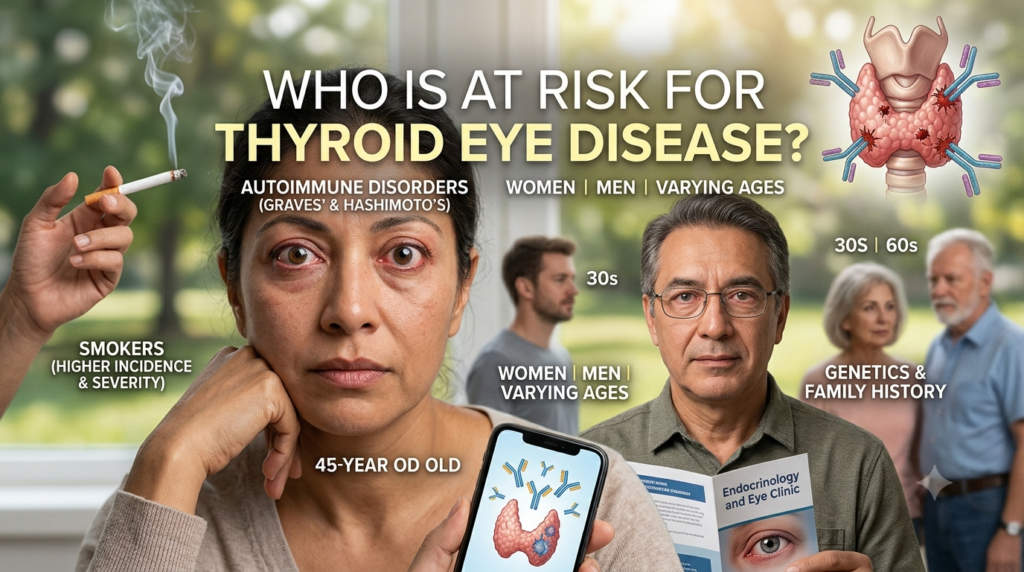
Who is at risk for thyroid eye disease?
People who have an overactive thyroid, particularly those diagnosed with Graves’ disease, face the highest risk of developing thyroid eye disease. Women are significantly more likely to be affected than men, often due to hormonal fluctuations and a higher natural tendency toward autoimmune conditions. However, when men do get it, their symptoms can sometimes be more severe. Smoking is the single biggest lifestyle risk factor; it drastically increases your chances of getting TED and makes treatments much less effective. Stress, low selenium levels, and certain past thyroid treatments like radioactive iodine therapy can also trigger a flare-up. Navigating autoimmune shifts requires specialized care, and looking into womens health clinics can help you find comprehensive support tailored to complex hormonal and immune health needs.
Is thyroid eye disease hereditary?
Thyroid eye disease is not strictly hereditary in the way eye color or height is passed down, meaning you will not automatically inherit it just because a parent has it. Instead, what runs in families is a genetic predisposition to autoimmune disorders in general. If your mother, father, or sibling has a thyroid issue, type 1 diabetes, or rheumatoid arthritis, your immune system is naturally a bit more sensitive. Still, having those genes is only half the story. An environmental trigger, like a severe viral infection, high stress, or cigarette smoke, usually has to flip the switch for the eye symptoms to actually appear. Supporting your body’s natural defenses against daily triggers is crucial, and you can read about hormesis and resilience health benefits to see how gentle stressors can strengthen your overall system.
What age does thyroid eye disease start?
Thyroid eye disease most commonly begins during middle adulthood, typically appearing in people between the ages of 30 and 50. However, it does not strictly follow a calendar and can occasionally show up in young adults or seniors well into their seventies. When TED develops later in life, doctors tend to monitor it much more closely because older adults sometimes experience stiffer eye muscles and a higher chance of pressure on the optic nerve. Regardless of when it starts, the condition usually follows a two-stage timeline: an active, inflammatory phase that lasts anywhere from six months to two years, followed by a stable phase where the swelling calms down. As we grow older, managing new physical challenges becomes even more important, and exploring tips on how to get rid of fatigue in older ages can help keep your energy steady during recovery.
How to avoid getting thyroid eye disease?
While you cannot change your genetics, the most effective way to avoid thyroid eye disease is to quit smoking immediately and stay away from secondhand smoke. Tobacco toxins directly irritate the tissues behind your eyes and fuel the autoimmune attack. Keeping your thyroid hormone levels steady through regular blood tests and taking your prescribed medication consistently also lowers your risk of a sudden flare-up. If you already have Graves’ disease and your doctor recommends radioactive iodine therapy, ask about taking a short course of steroids alongside it to protect your eyes. Eating selenium-rich foods like Brazil nuts, wearing wrap-around sunglasses outdoors, and keeping stress in check also make a real difference. Finding healthy ways to unwind is vital for immune balance, and checking out ashwagandha side effects and benefits can give you insight into natural stress management.
Can thyroid eyes go back to normal?
Yes, your eyes can often return very close to their normal appearance and comfort, especially if you catch the condition early and manage inflammation before permanent scarring happens. For people with mild symptoms, the swelling behind the eyes frequently calms down on its own once the active phase finishes. Your eyelids may relax back into a more natural position, and that gritty, watery feeling usually fades away. However, if the inflammation was severe, the stretched tissues and muscles might not fully shrink back without medical help. Modern targeted medications and minor corrective procedures can restore your natural look and relieve double vision. Supporting your body’s natural healing environment is also essential during recovery, and learning about sensory overload syndrome can help you understand how visual stress impacts your nervous system.
How to reverse thyroid eye disease?
Reversing thyroid eye disease requires a two-step medical approach depending on whether your eyes are actively inflamed or have entered the stable phase. During the active inflammatory stage, doctors use targeted biologic infusions, intravenous steroids, or selenium supplements to stop your immune system from attacking the eye socket. Stopping smoking is also mandatory, as tobacco prevents these treatments from working properly. Once the swelling stops and your condition becomes stable, doctors can reverse physical changes like bulging eyes or misaligned vision through specialized rehabilitative surgeries, such as orbital decompression or eyelid adjustments. Alongside medical treatments, calming internal inflammation through diet and lifestyle supports better outcomes, and exploring the surprising health benefits of kombucha can show you how gut health connects to overall immune balance.
How long does thyroid eye disease last?
Thyroid eye disease typically lasts between one and three years in total, though the exact timeline varies significantly from person to person. The active, uncomfortable phase where your eyes feel irritated, red, and swollen generally runs for six months to two years. After this storm passes, the condition enters a quiet, inactive phase where active inflammation stops and your symptoms stabilize. Keep in mind that if you smoke or your thyroid hormone levels swing wildly up and down, the active phase can drag on much longer. Even after the disease burns itself out, some people deal with lingering dryness or eyelid tightness that needs ongoing daily care. Managing long-term physical discomfort takes patience, much like learning how to manage chronic neck pain over 40 when your body needs steady, consistent support.
What are the stages of thyroid eye disease?
Doctors divide thyroid eye disease into two main clinical stages: the active inflammatory phase and the inactive stable phase. During the active phase, your immune system aggressively attacks the tissues behind your eyes, causing rapid changes like redness, deep aching, swelling, watery eyes, and progressive bulging. This is the window when medications work best to prevent lasting tissue damage. Eventually, the immune attack slows down and the condition shifts into the inactive phase. In this second stage, the redness and pain disappear, and your eyes stop changing shape, though leftover scar tissue may leave your eyelids retracted or cause double vision. While waiting for inflammation to settle, protecting your eyes from everyday environmental triggers is critical, and reading about hidden blue light effects on your health can help you shield sensitive eyes from extra strain.
Can you lose your eyesight with thyroid eye disease?
While complete vision loss from thyroid eye disease is rare, affecting fewer than five percent of patients, it is a serious risk that requires close medical monitoring. Blindness can happen in two main ways if severe swelling goes untreated. First, extreme swelling of the eye muscles at the back of the bony socket can pinch and squeeze the optic nerve, cutting off vital signals between your eye and brain. Second, if bulging eyes prevent your eyelids from closing completely while you sleep, the clear front surface of your eye, called the cornea, can dry out, ulcerate, and scar. Warning signs like sudden blurry vision, faded colors, or severe pain need immediate emergency care. Paying attention to subtle warning signals in your body can save your health, just like recognizing the hidden signs of blood clots before they become dangerous.
What is the newest treatment for thyroid eye disease?
Recent medical breakthroughs have expanded targeted biologic therapies far beyond older steroid options for thyroid eye disease. Following the earlier success of teprotumumab, the FDA approved two major new treatments in 2026: veligrotug-vvze in June and satralizumab-mwge in October. Veligrotug is a targeted antibody infusion that blocks the specific receptors driving swelling behind the eyes in both active and chronic cases. Meanwhile, satralizumab made history as the first FDA-approved TED medication that adults can safely inject themselves at home after proper training, offering huge convenience over regular clinic infusions. These modern drugs directly interrupt the autoimmune attack, visibly reducing eye bulging and double vision. Pairing advanced medical care with overall nutrient balance helps recovery, and reading about unexpected vitamin overdose symptoms ensures you keep your daily supplements safe during treatment.
What are the best eye drops for treating thyroid eye disease?
The best eye drops for thyroid eye disease are preservative-free lubricating artificial tears. Because swollen eyelids often prevent your eyes from blinking fully, moisture evaporates quickly, leaving your eyes feeling dry and scratchy. If you apply drops more than four times a day, preservative-free formulas are essential so harsh chemicals do not irritate your sensitive cornea further. During the day, choose thin liquid drops or lipid-based tears to lock in moisture, and switch to thicker lubricating gels or ointments right before bed so your eyes stay protected overnight. Be sure to avoid over-the-counter red-eye relief drops, as their decongestants can cause worse rebound redness and dryness. Protecting your body from everyday chemical irritants makes a big difference, and exploring toxic clothing health effects shows other ways to minimize daily exposure.
What is the surgery for thyroid eye disease?
Surgery for thyroid eye disease is typically performed in a specific, staged order once your eyes have entered the stable, inactive phase for at least six months, unless an emergency threatens your vision. The first step is usually orbital decompression, where a surgeon carefully removes a tiny portion of the bone or excess fat behind the eye socket to create more room, allowing bulging eyes to settle back naturally. If swollen eye muscles have left you with double vision, the second step is strabismus surgery to realign the muscles so both eyes move smoothly together. Finally, eyelid surgery adjusts retracted upper or lower lids so they close comfortably and look balanced again. Recovering smoothly from delicate procedures requires patience and whole-body support, and learning about benefits of magnesium glycinate can help promote restful sleep and muscle relaxation as you heal.
What are some home remedies for thyroid eye disease?
Simple daily habits at home can make living with thyroid eye disease much more comfortable while your medical treatments work. Applying cool, damp compresses over closed eyelids for ten minutes helps soothe burning irritation and calms morning puffiness. Sleeping with your head propped up on an extra pillow uses gravity to prevent fluid from pooling behind your eyes overnight. If your eyelids do not close completely while sleeping, gently taping them shut with medical paper tape keeps your cornea from drying out. Wearing wrap-around sunglasses outdoors shields sensitive eyes from harsh wind and bright glare, while running a bedside humidifier keeps indoor air moist. Creating a soothing recovery space is key to feeling better, and reading about scientifically proven home remedies can inspire other gentle self-care routines at home.
What foods are bad for thyroid eye disease?
Certain foods can quietly worsen swelling and immune inflammation when you have thyroid eye disease. High-sodium processed foods, canned soups, salty snacks, and fast food cause your body to retain excess fluid, which directly increases puffiness and pressure behind your eyes. Foods packed with excessive iodine, such as kelp, seaweed snacks, and large amounts of iodized salt, can overstimulate an already sensitive thyroid and trigger hormone swings. Refined sugars, fried foods, and artificial trans fats also fuel systemic inflammation, making your autoimmune symptoms harder to calm down. Some people with autoimmune thyroid issues also notice less bloating and irritation when they cut back on gluten. Understanding how your body reacts to excess minerals and nutrients is essential, and checking out calcium side effects and health risks offers another helpful look at balancing what you consume.
What drink is bad for the thyroid?
Several everyday beverages can interfere with your thyroid balance and worsen eye inflammation if consumed regularly. Sugary sodas, energy drinks, and sweetened fruit juices spike blood sugar and drive body-wide inflammation, which agitates autoimmune flare-ups. Heavy alcohol consumption is particularly harmful because it dehydrates your body, worsens overnight eye swelling, and weakens your immune system’s ability to heal. Excess caffeine from multiple cups of coffee or energy shots can mimic or intensify hyperthyroid symptoms like rapid heartbeat, anxiety, and poor sleep, leaving your eyes feeling strained and gritty. Even unfiltered tap water containing high levels of fluoride or chlorine may lightly compete with iodine absorption in sensitive individuals. Staying properly hydrated with clean water is vital for your whole body, and learning if your brain is dehydrated shows just how deeply smart hydration supports daily health.
Is there a test for thyroid eye disease?
There is no single blood test that diagnoses thyroid eye disease on its own, so doctors combine physical eye exams, lab work, and imaging scans to get a clear picture. An eye specialist will first measure how far your eyes protrude using a small ruler-like tool called an exophthalmometer and check your eyelid position, tear film, and eye muscle movement. Blood tests check your thyroid hormones alongside specific antibodies, such as thyroid-stimulating immunoglobulin, which confirm an underlying autoimmune trigger. If your symptoms are moderate or severe, your doctor will usually order a CT scan or an MRI of your eye sockets. These detailed images show exact muscle swelling and confirm whether the optic nerve is under pressure. Taking a thorough diagnostic approach protects your long-term health, much like uncovering the hidden environmental causes of chronic headaches when symptoms overlap.
Why do people with thyroid issues wake up at 3am?
Waking up wide awake around 3 a.m. is a classic frustration for people dealing with thyroid imbalances, and it usually comes down to a nocturnal hormone surge. When your thyroid is overactive, your nervous system stays stuck in a mild fight-or-flight mode, making your body overly sensitive to normal nighttime shifts. Around 3 a.m., your liver naturally runs low on stored sugar, prompting your adrenal glands to release cortisol and adrenaline to keep blood sugar steady. In someone with thyroid issues, this stress hormone spike hits too hard, causing a racing heart, night sweats, sudden anxiety, and an instant wake-up call. Fluctuating estrogen and thyroid hormones can amplify these nighttime disruptions even further. Exploring practical advice for your perimenopause journey offers helpful strategies for calming hormone-driven sleep interruptions and getting deeper rest.